
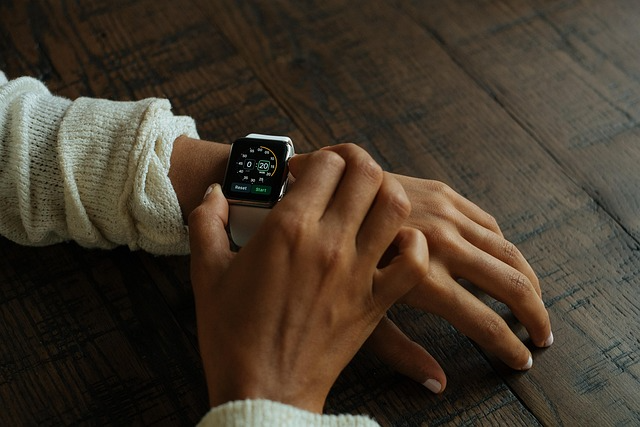
The rise of wearable technology has quietly shifted in recent years from being a lifestyle trend to a more central part of modern life, with healthcare a particular focus. Once limited to fitness buffs tracking their steps, modern devices are helping people monitor heart conditions, manage chronic illnesses, and supporting health all around the body.
This change isn’t about wearing gadgets for their own sake. Done with common sense, it can be about making health data more personal, accessible, and actionable. As a result, individuals and families can take charge of their own well-being in a way which could keep them out of their doctors’ office – and make them better-informed when they do end up there.
Why healthcare is moving to your wrist (and other areas)
The watch on your wrist or the band on your arm is not simply a reminder to get up and move. Devices such as Apple Watches and Fitbits can now monitor blood oxygen levels, heart rhythms, and sleep cycles. For patients who experience atrial fibrillations or sleep apnea, such features can provide early alerts as well as insights that are literally life-saving.
The healthcare system has taken notice of these changes. Doctors are increasingly integrating patient-generated data into their consultations, while insurers and employers are encouraging the wearing of … well, wearables to encourage preventative care. The appeal is simple: rather than letting a problem escalate unseen, tech allows early detection and proactive management.
Wearables that go beyond wellness
Wearables are still beneficial for fitness tracking, of course, but their use is ever-expanding. They are moving into areas that include diabetes monitoring, stress management, and hearing health. Continuous glucose monitors (CGMs) give people real-time updates on their diabetes symptoms, reducing the burden of finger-prick testing. Stress trackers can monitor cortisol through skin sensors, allowing guidance on when to rest and recharge.
Hearing is a particularly promising area. Modern hearing aids now incorporate advanced features such as Bluetooth streaming, are using AI for noise filtering, and can be integrated with the user’s smartphone. The growing role of wearable tech in hearing care is making hearing support smarter and less stigmatized. With features that adapt to new environments, wearables are a way for people to stay socially connected and confident.
Wear is this trend heading (sorry)?
The next frontier for wearables surely lies in integration. Imagine a system wherein your smart watch flags an irregular heartbeat, your hearing aid adjusts to the environment, and your health app syncs all the necessary information for your doctor before you’ve even taken a seat in the waiting room. For families, it’s an opportunity to remotely monitor the well-being of elderly parents, or ensuring that kids are developing healthy sleep habits.
There may be a sense that wearables are obtrusive and expensive, but the same was once thought about eyeglasses. As the costs come down and the technology improves and becomes more discreet, wearables are ever more likely to blend seamlessly into lifestyle and fashion, supporting health without drawing attention to it.

Leave a Reply