
Some of the most effective ways to improve a home’s value aren’t obvious. They don’t usually involve large additions or major structural changes. A few targeted updates, carefully chosen, can improve the way a home is viewed—by buyers, by appraisers, and by inspectors. Most of these can be done with minimal disruption.

Via Pexels
1. Clean Up the Exterior and Landscaping
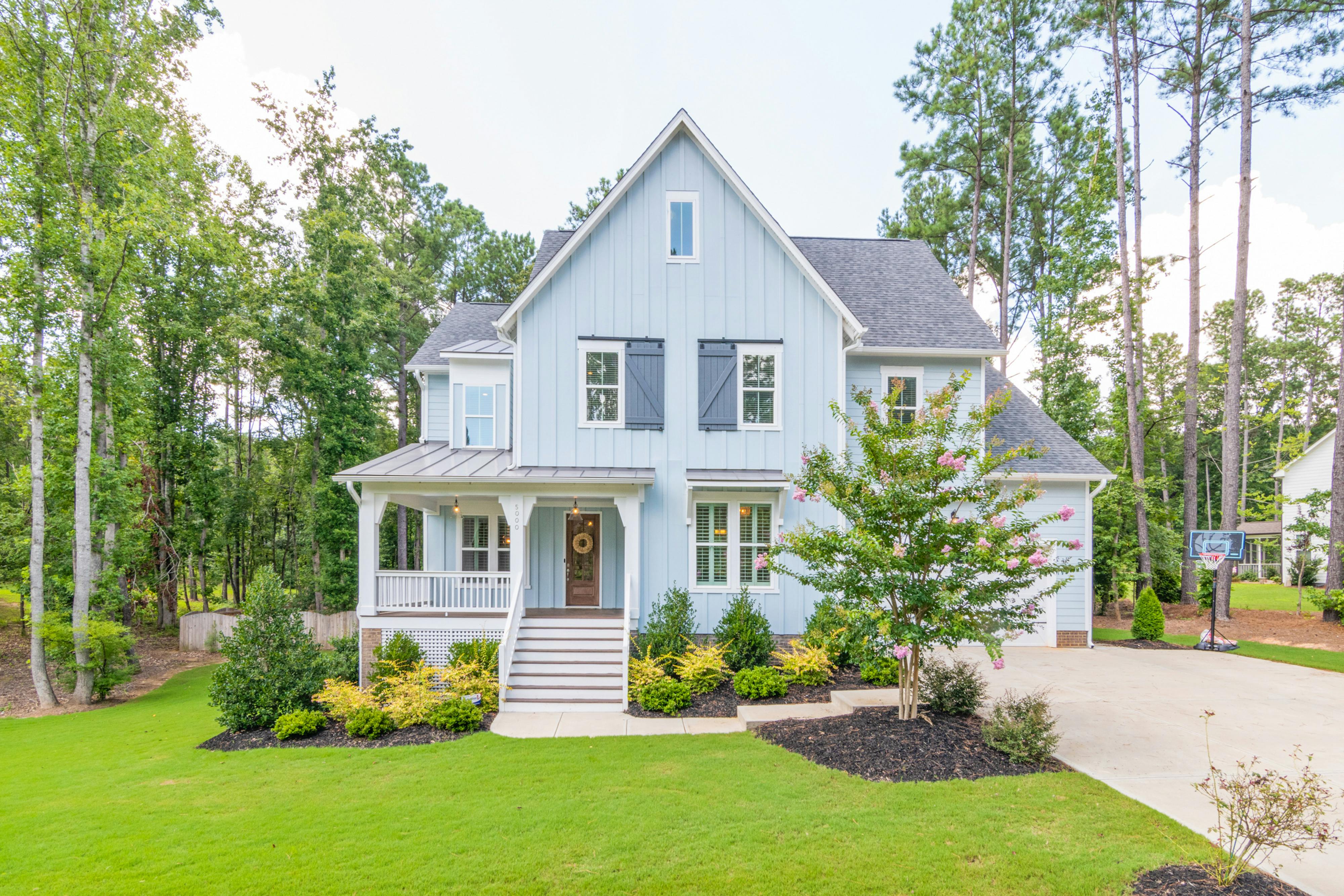
When a property looks orderly from the street, it sets expectations. Trimmed hedges, healthy grass, and a clear path to the entryway all suggest the house is cared for. A fresh layer of mulch or gravel, some new planters, or even just power washing the front steps can affect how the whole structure is perceived. Small adjustments to exterior lighting and paint—particularly around the front door—can tie the whole impression together. It’s often not the presence of big features, but the absence of mess or wear that adds perceived value.
2. Replace Fixtures and Upgrade Lighting
Most older homes still carry evidence of trends that passed decades ago. Light fixtures and cabinet hardware are common culprits. Replacing them is easy. Look for styles that are functional and minimal. Also consider converting older bulbs and ceiling lights to modern LED systems. In bathrooms and kitchens, consistent lighting makes the space feel newer, even if nothing else has changed.
3. Fix Minor Issues that Signal Bigger Problems
Peeling caulk, stained grout, chipped trim, slow drains—these are signs that buyers and inspectors notice. They create a mental list of future work. When they’re absent, the space feels better maintained. These repairs don’t take long, but they change the tone of a showing. Resurfacing a worn floor or replacing a broken outlet cover costs little and can eliminate sticking points in a walkthrough.
4. Improve Energy-Related Details
Energy use is increasingly part of value calculation. Adding insulation to the attic, installing a smart thermostat, or replacing a few windows can move the needle. Adjustments don’t have to be part of a full energy retrofit. Simple steps like sealing gaps and installing weather stripping reduce drafts and show that the home isn’t wasting resources. A utility bill that trends low over several months can be a supporting factor during pricing discussions.
5. Address Basement Safety and Water Entry Points
Basements are checked for signs of moisture and ventilation issues. One area that often goes unnoticed is the window well. A proper window well replacement prevents leaks, improves air circulation, and keeps the area within code for emergency exit. Materials and installation costs are reasonable, and the benefits—while not always visible—are clear during inspection and appraisal. It’s one of those updates that becomes noticeable mainly when it’s missing.
6. Refresh Paint and Floor Surfaces with Care
Walls and floors get the most wear in any home. A new coat of paint in a neutral shade removes the look of age without requiring redesign. Flooring can be cleaned, polished, or replaced depending on budget and wear. If carpeting is old, replacing it with vinyl plank or engineered wood in key rooms can shift the perceived quality of the house without needing to refinish the entire floor plan.
These updates are measurable. They come with trackable costs, and many can be completed by homeowners themselves or by a local contractor in a few hours. The result can equate to big transformations.

Leave a Reply