
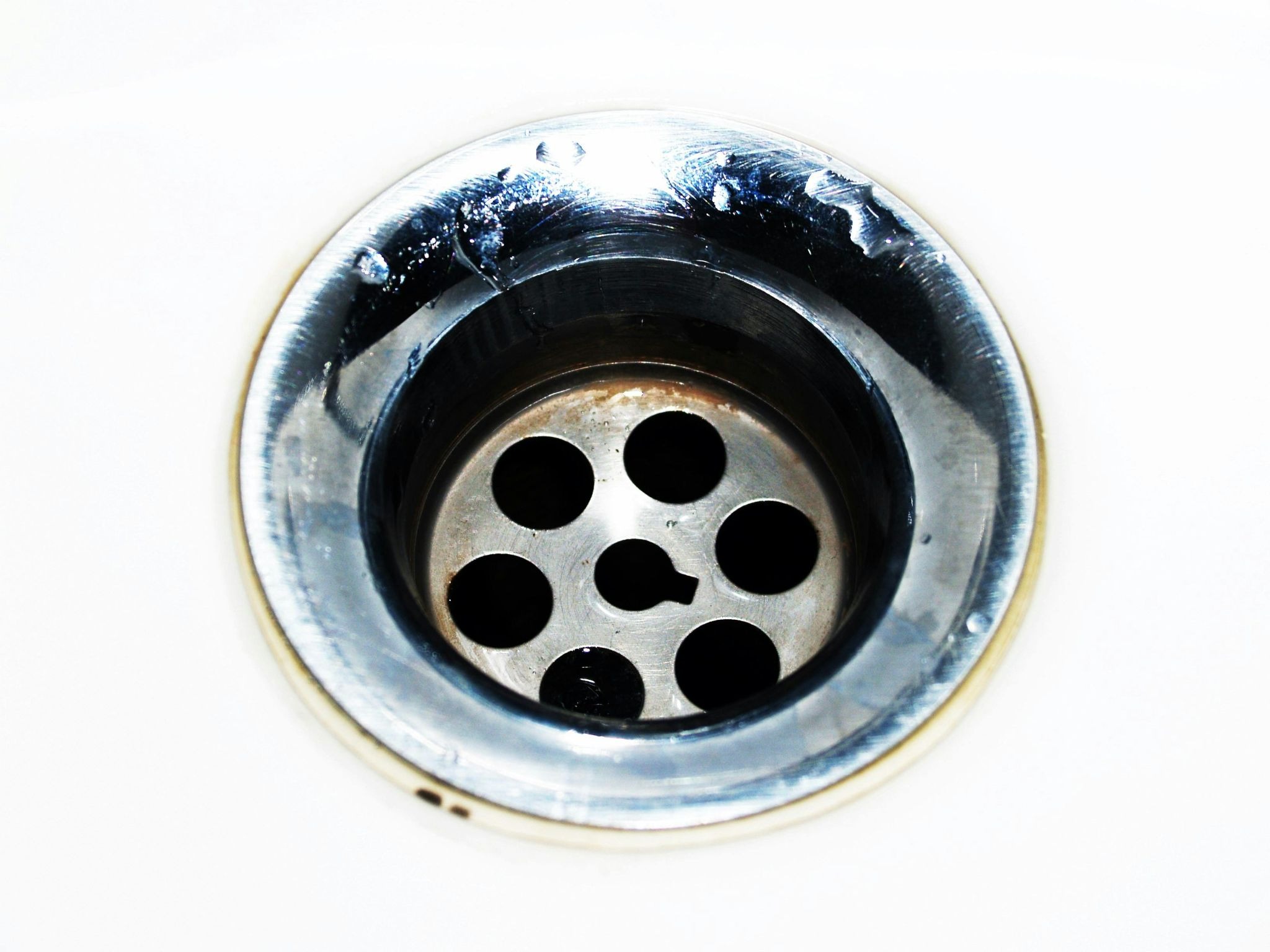
Blocked drains can be a real nuisance. Fortunately, there are many fixes that you can explore. This post takes a look at 7 common ways to clear a drain from simple DIY remedies to more advanced solutions.
Hot water
Sometimes the easiest solution works best. Hot water is capable of dissolving grease, soap scum and toilet paper blockages. All you need to do is boil a kettle or a large pot of water and then carefully pour it down in stages.
WARNING: Don’t use this solution to unclog blockages in PVC pipes if you’re unsure of their condition – very old plastic pipes can be damaged by extreme heat.
Baking soda and vinegar
Baking soda and vinegar has many magic DIY uses – including breaking down grime and deoderizing drains. It’s particularly worth trying for clogged sinks. Pour about half a cup of soda into the drain followed by half a cup of white vinegar. Then plug the drain, wait 15 to 30 minutes, flush out with water and see if the blockage is gone
Plunger
Using suction, a plunger can often dislodge many types of blockages. Place the plunger over the drain to create a tight seal and then push down several times to create pressure.
Most people use plungers on toilets, but you can also use them on sinks and bathtubs. Use a cup plunger for sinks and tubs and a flange plunger for toilets.
Coat hanger
A wire coat hanger can be used as a DIY hook for pulling out hairs and debris. Straighten the hanger, leaving a small hook on one end. Then insert the hooked end into the drain and pull out.
Be gentle while doing this – you don’t want to scratch and damage the inside of the pipe.
Zip-it
A Zip-it is a plastic drain cleaning tool that is designed to grab hair and slime in bathroom drains. These tools are worth owning if you’re regularly experiencing a slow draining shower or bathtub. Use the Zip-it by inserting it into the drain as far as it will go and then wriggle it while pulling it out to hook onto debris.
Plumbing snake
Also known as a drain auger, a plumbing snake is able to go deeper to break up tougher clogs. You use this tool by inserting the head into the drain until you start to feel some resistance. Then tighten the clamp and slowly rotate the handle clockwise to remove any debris causing the blockage.
Hydro-jetting
This type of drain cleaning is best carried out by a professional – it involves using a specialized sewer jetter tool that uses high pressure water to blast away serious blockages. It’s the best solution for heavy grease build-up or tree root intrusions. If all DIY solutions have failed, then try this one.
Conclusion
These are 7 of the most effective ways to clear drains. Start with the gentlest options, and if the clog won’t budge, then look into more serious solutions. Calling a pro may be the best treatment if you already tried every DIY fix you can think of.

Leave a Reply