
The garden is often a neglected space, but it’s a place that can be enjoyed during the peak times of the year, when it gets warm, but also throughout the year if well-maintained.
Whether you’ve got a small garden or you’ve got a big space that you’re struggling to contain, several useful tips will help add variety and interest to your outdoor environment.
In this guide, we’ll look at how to add variety and interest to your garden this year. From diverse planting to sensory elements and lighting, here’s everything you need to transform your garden.
- Structure and level
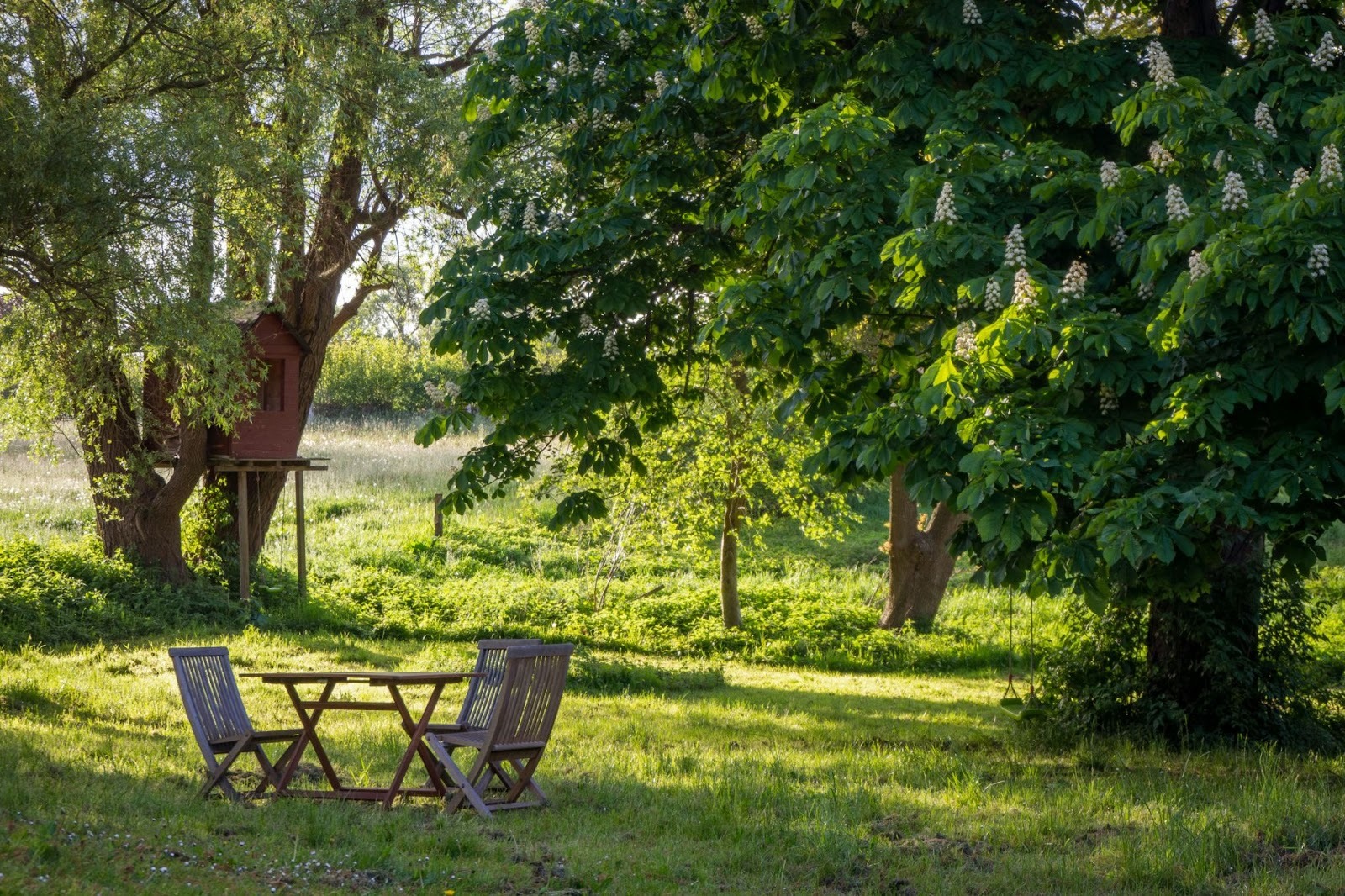
Adding variety and interest to your garden starts with the foundations. The structure of the garden could be split into zones to make it more appealing.
Dividing your garden into rooms or zones helps to add that sense of discovery and adventure in the space, both for adults and children. Examples of zones include bright dining spots, a vegetable patch, or a quiet seating area.
Creating levels in the space is important, too, to add more interest. Adding height and depth can make a real difference to the garden. Features like a pergola or simple trellises bring the eye upwards from the ground.
Consider implementing a mixture of raised beds and in-ground planting so that you’ve got some visual depth to the space. Paving and paths are also useful to implement in the space to provide structure and direction, in some cases. Use brick, natural stone, or gravel to create pathways that wind through the garden.
It helps to slow people down when exploring the outdoor space, however big or small.
- Diverse planting and texture
It’s useful to play with texture and incorporate diverse planting into the outdoor space. With that being said, it’s worth thinking about mixing textures and forms. Combining plants with different leaf shapes or textures can be great for adding depth to the space.
The use of evergreens helps provide the foundation for the space. Look at combining perennials or shrubs for seasonal change.
Large pots are great to offer an immediate impact on the space. Grouping them helps to create focal points on patios or in corners of the garden. The use of self-clinging climbers that cover blank walls or fences can add some vibrant colors to the space without needing to use the floor space.
- Sensory elements and wildlife
Adding variety and interest can be done through the use of water features and fragrant planting. Not everyone wants a pond in their space, but there are other, simple water features to add to the garden.
Consider installing a pond, a simple birdbath, or a water fountain in the space. This adds soothing, tranquil sounds that help block out ambient noise and attract insects and birds. Try planting highly scented plants like lavender, sage, or jasmine near seating areas and paths.
Creating a ‘wild’ corner is a great way to encourage wildlife into your garden space. Build a bug hotel from twigs and leaves, and leave seed pods on flowers so that birds are supported throughout the winter.
It’s good to encourage wildlife into your garden in whatever way possible, not just for your enjoyment of the space, but also keep the local wildlife thriving.
- Lighting and ambiance
The lighting and ambiance of the space really help create a welcoming environment that you’ll want to spend more time in, even during the cooler times of the year.
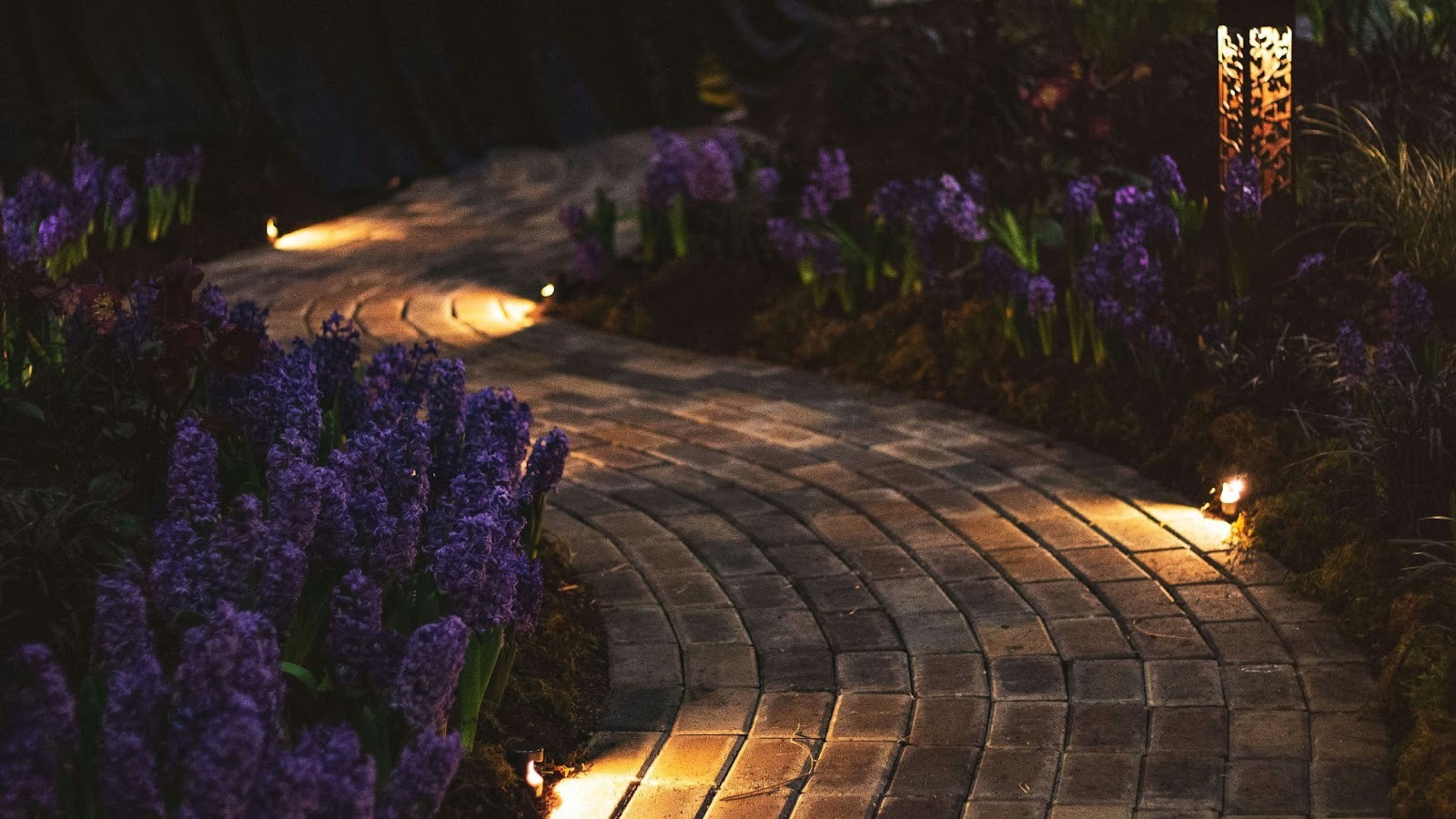
The use of strategic lighting is helpful when it comes to creating a magical atmosphere, especially at night, and to help with improving the safety of the space. Use solar-powered fairy lights, LED lighting on trees and sculptures, and lanterns to decorate the space.
Placing lighting to highlight key features of the space is a good way of creating a dynamic appearance. From lighting up a water feature to a wild and interesting plant, lighting is incredibly influential on the garden’s overall look.
- Creative and budget-friendly ideas
There are several creative and budget-friendly approaches you could make when it comes to transforming the space. Repurposing materials, like transforming old wooden palettes to make vertical planters or a herb garden, is an affordable way of adding interest to your garden.
Look at painting fences and adding decorative items like sculptures or birdhouses. As well as that, it’s also useful to give old benches or tables a new lease of life with a fresh coat of paint or wood staining.
Top tips for keeping your garden low-maintenance
Not everyone has the time to keep their garden maintained, especially if it’s got too much going on to handle. With that being said, it’s worth knowing the tips that will help keep your garden low-maintenance.
Use mulch effectively
Applying a thick layer of bark or gravel mulch is a great way to help reduce weeding, but also to retain soil moisture.
Reduce or eliminate the lawn.
Replacing high-maintenance grass with paving, gravel, or a patio to claim the space is a good way of creating less care and attention required on your part.
Group plants in containers
To help make watering easier, you should group plants in containers. Use pots for easy watering and to help prevent plant spread. Grouping these plants is better for efficient and automated watering systems, too.
Right plants in the right place
Choosing plants that suit your soil and climate is incredibly beneficial. It helps to reduce the need for pesticides, fertilizers, and the constant watering that’s sometimes required.
Automate watering
Installing a simple irrigation system or dripper system, particularly for potted plants and hanging baskets, can mean the benefit of beautiful plants and vegetation, without needing to put in the extra effort.
Simplify the design
A minimalist design with fewer plant species is great for creating clean lines and making it easier to maintain over a busier and more complex outdoor environment.
Embrace naturalism
Allowing parts of your garden to be wilder and less manicured will often be helpful for reducing time spent pruning and tidying in general.
Adding variety and interest through various elements helps to create a dynamic and engaging garden space to enjoy all year round.

Leave a Reply