
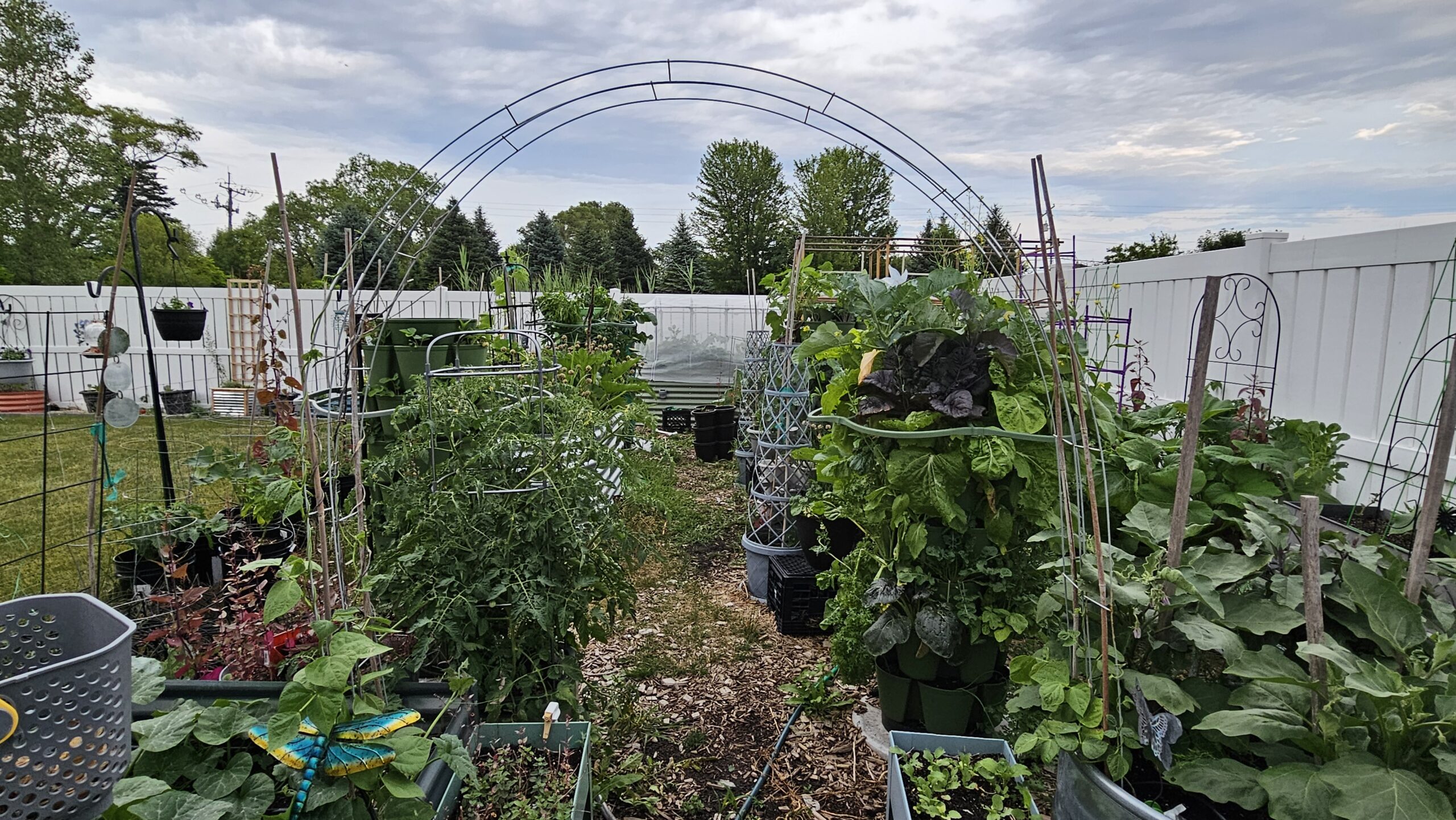
Landscaping is more than planting flowers and mowing the lawn — it’s about creating an outdoor space that feels welcoming, functional, and uniquely yours. A well-designed yard boosts curb appeal, increases property value, and gives you a peaceful retreat right outside your door. Whether you’re working with a compact suburban lot or a spacious backyard, smart landscaping choices can transform the entire look and feel of your home.
Below are 7 detailed landscaping tips to help homeowners design outdoor spaces that are beautiful, sustainable, and easy to maintain.
Start with a Clear Landscape Plan
Every successful landscape begins with a thoughtful plan. Before purchasing plants or materials, take time to evaluate your yard’s size, sunlight patterns, soil type, drainage, and existing features. Identify areas that receive full sun versus shade, and note any slopes or low spots that collect water.
Sketch a rough layout dividing your yard into functional zones — such as entertaining areas, garden beds, pathways, and relaxation corners. Planning helps prevent overcrowding, improves visual balance, and ensures that plants have enough room to grow over time.
Improve Soil Health Before Planting
Healthy soil is the foundation of a thriving landscape. Many homeowners focus on plants first, but soil preparation determines whether those plants will flourish or struggle. Testing your soil can reveal pH levels and nutrient deficiencies, allowing you to amend it properly.
Adding organic matter such as compost improves soil structure, drainage, and nutrient retention. Mulching is another powerful way to protect and enrich soil. Applying a 2–3 inch layer around plants helps regulate temperature, conserve moisture, and reduce weeds. Many homeowners choose Escondido mulch from NorthCountyMulch.com to enhance soil quality while giving their landscape a clean, polished appearance.
When your soil is healthy, plants develop stronger root systems, require less maintenance, and are more resistant to pests and drought. Investing in soil improvement pays long-term dividends in plant health and overall landscape vitality.
Choose Plants Suited to Your Climate
One of the biggest landscaping mistakes homeowners make is selecting plants based solely on appearance. While vibrant blooms and lush foliage are appealing, choosing plants suited to your local climate ensures long-term success.
Native and drought-tolerant plants are often the best options, especially in warmer regions. These varieties are adapted to local weather patterns and typically require less water, fertilizer, and maintenance. Succulents, ornamental grasses, and hardy shrubs can provide color and texture without demanding constant care.
Layering plants also enhances visual appeal. Use taller shrubs or small trees as a backdrop, medium-sized plants in the middle, and ground covers in front. This layered effect creates depth and structure.
Be mindful of growth patterns. Some plants spread quickly and can overtake smaller species if not carefully managed. Research mature sizes before planting to avoid overcrowding. Choosing the right plants reduces maintenance time, lowers water bills, and keeps your yard looking vibrant throughout the seasons.
Create Defined Pathways and Edges
Defined pathways and clean edges give a landscape a professional, organized appearance. Walkways guide visitors through your yard while protecting grass and garden beds from foot traffic damage.
Materials such as gravel, pavers, flagstone, or decomposed granite can create inviting paths that complement your home’s architecture. Curved pathways add a natural flow, while straight lines create a more modern, structured feel.
Edging is equally important. Crisp borders between lawn and garden beds prevent grass from creeping into planting areas. Metal, stone, brick, or natural trench edging all provide distinct separation.
Focus on Water Efficiency
Water conservation is an essential part of modern landscaping. Efficient watering systems not only reduce environmental impact but also lower utility bills.
Installing drip irrigation delivers water directly to plant roots, minimizing evaporation and runoff. Compared to traditional sprinklers, drip systems are far more efficient and ideal for garden beds and shrubs.
Grouping plants with similar water needs together — known as hydrozoning — ensures that no plant receives too much or too little moisture. Adding mulch further reduces evaporation and keeps soil consistently moist.
Incorporate Outdoor Living Spaces
A beautiful landscape should also be functional. Outdoor living spaces extend your home beyond its walls and create areas for relaxation and entertainment.
Patios, pergolas, fire pits, and seating areas add purpose and comfort to your yard. Choose durable materials that withstand weather changes while complementing your home’s exterior.
Strategically placed shade structures or trees can make outdoor areas comfortable even during warmer months. Adding lighting along pathways and around seating areas enhances safety and ambiance at night.
Maintain Regular Care and Seasonal Updates
Even the best-designed landscape requires ongoing care. Regular maintenance keeps your yard looking fresh and prevents small issues from becoming costly problems.
Prune shrubs and trees seasonally to encourage healthy growth and maintain shape. Remove weeds promptly to prevent spreading. Refresh mulch annually to maintain its protective benefits and visual appeal.
Seasonal plant rotations can also keep your yard vibrant year-round. Swapping out annual flowers or adding seasonal accents keeps the landscape dynamic and interesting.

Leave a Reply